Bull breeds have a long and complex history, shaped by their original purposes and the changing needs of society.
The term ‘bull breeds’ isn’t a single official category but rather a group of breeds that descend from historical bulldog-type and bull-and-terrier dogs—ranging from the mastiff-influenced catch dogs (like American Bulldogs and Bullmastiffs) to the more terrier-influenced pit bull–type breeds.
These dogs were originally bred for tasks that required strength, courage, and tenacity. Over time, their roles and even their physical traits evolved.
By understanding their past, we pet parents can better understand and appreciate the characteristics of our bull breed companions today.
Let’s start by breaking down the origins of these dogs into two main categories and looking at the differences: the butcher’s dogs (catch dogs) and the bull-and-terrier breeds that later became the foundation of modern pit bull-type dogs.
1. The Butcher’s Dogs (Catch Dogs)
-
Purpose: Originally used by butchers to protect/guard their premises, control livestock, and capture escaped bulls.
-
Temperament: Strong, confident, and controlled; not highly predatory since they lived among livestock without harming them.
-
Physical Traits: Large, muscular, mastiff-like, with a broad head and strong jaws.
-
Working Style: Reserved and calm until action was needed, then capable of sudden bursts of explosive energy.
-
Territorial Nature: Protective of their space and livestock.
-
Secondary Use: Many were also used in bloodsports like bear baiting, given their gripping strength and fearlessness.
-
Connection to Modern Dogs: These traits can still be seen in breeds like the American Bulldog, Bullmastiff, and Cane Corso, which retain guarding instincts and powerful builds.
Tasks or games they might enjoy:
Activities that tap into their steady, thoughtful nature often bring out the best in these dogs.
-
Controlled strength or resistance games, like tug (with clear start/stop signals)
- Bite sports
-
Scent or tracking games
-
Shaping or problem-solving tasks
-
Body awareness activities such as climbing on platforms or navigating obstacles
-
Hikes or long walks where they can settle into a relaxed rhythm
- Sitting and observing the world, as long as they are calm and non-reactive
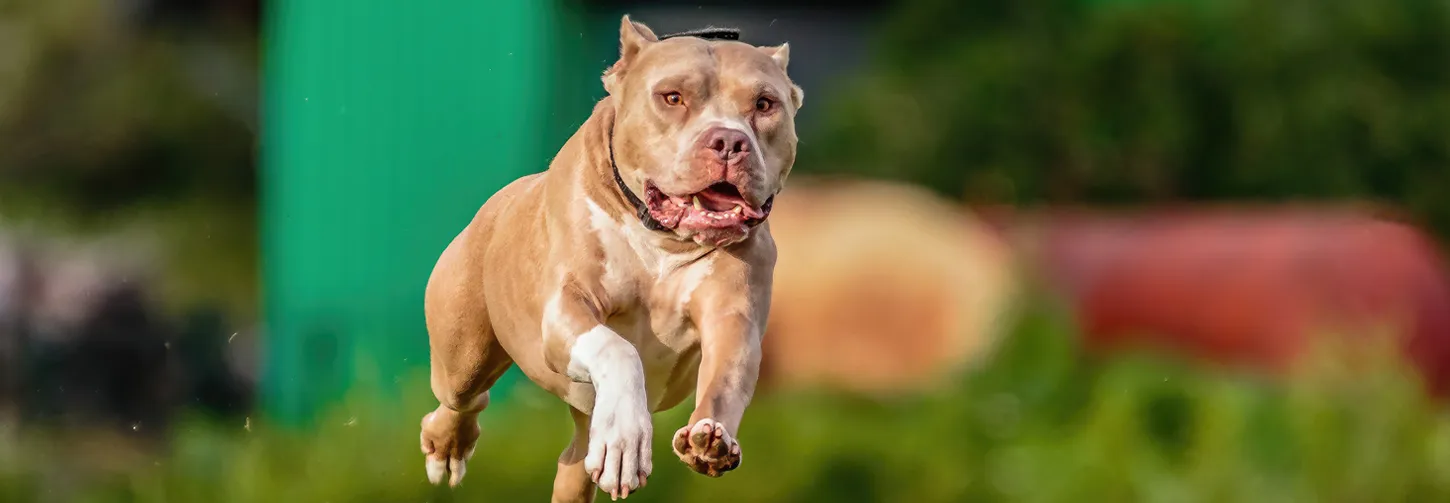
2. The Bull-and-Terrier (The Proto-Pitbulls)
-
Purpose: Developed for bloodsports like dog fighting, rather than livestock management or guarding.
-
Temperament: High energy, persistent, and driven, with an intense desire to engage in challenges.
-
Physical Traits: Smaller and more agile than the butcher’s dogs, with terrier-like athleticism.
-
Working Style: Proactive and relentless—bred to attack rather than wait for a command.
-
Prey Drive: Higher than butcher’s dogs, as they were often used for hunting wild boar and other aggressive prey.
-
Aggression Traits: Selectively bred for offensive traits (rather than defensive, like guarding breeds).
-
Connection to Modern Dogs: This lineage directly influenced breeds like the American Pit Bull Terrier, Staffordshire Bull Terrier, and American Staffordshire Terrier, which inherited tenacity and drive.
Tasks or games they might enjoy:
These dogs often thrive when given outlets that are engaging, energetic, and mentally stimulating.
-
Fast-paced tug, flirt pole play, or structured chase games (with clear start/stop signals)
-
Foraging setups that channel determination into problem-solving
-
Dynamic obedience like Rally or GRC Dogsports, quick-fire cue/response training
- Bite sports
-
Agility-style movement, like jumps or weave obstacles
-
Endurance or interval-style exercise, like running on a treadmill or slat mill
- Physical play with resistance “conflict” (with clear start/stop signals)
Evolution Over Time
-
1632: The term “bulldog” first appears in written records, distinguishing them from mastiffs.
-
18th-19th Century: Bull-baiting and dog fighting become widespread, shaping the two different phenotypes of bull breeds.
-
1835: Bloodsports are banned in England, pushing dog fighting underground and further refining the bull-and-terrier breeds.
-
Modern Day: Selective breeding has softened many of these traits, with bull breeds now known for loyalty, affection, and companionship—but their history still influences their behavior.
Final Thoughts
Understanding the history of bull breeds can give us some insight into their natural tendencies and also help us understand why we might be seeing some particular behaviors. Whether you have a stocky, protective bulldog-type or a high-energy, determined pit bull-type, knowing their origin helps us understand and find ways to work with their instincts rather than against them.